From hidden integration to community method
Not a discoverability problem. A category problem. Re-framed as community contribution, three changes shipped at once.
01Context
HubSpot was a working integration nobody used. Connection flow lived inside Export Contacts. Team diagnosis: discoverability. My diagnosis: category.
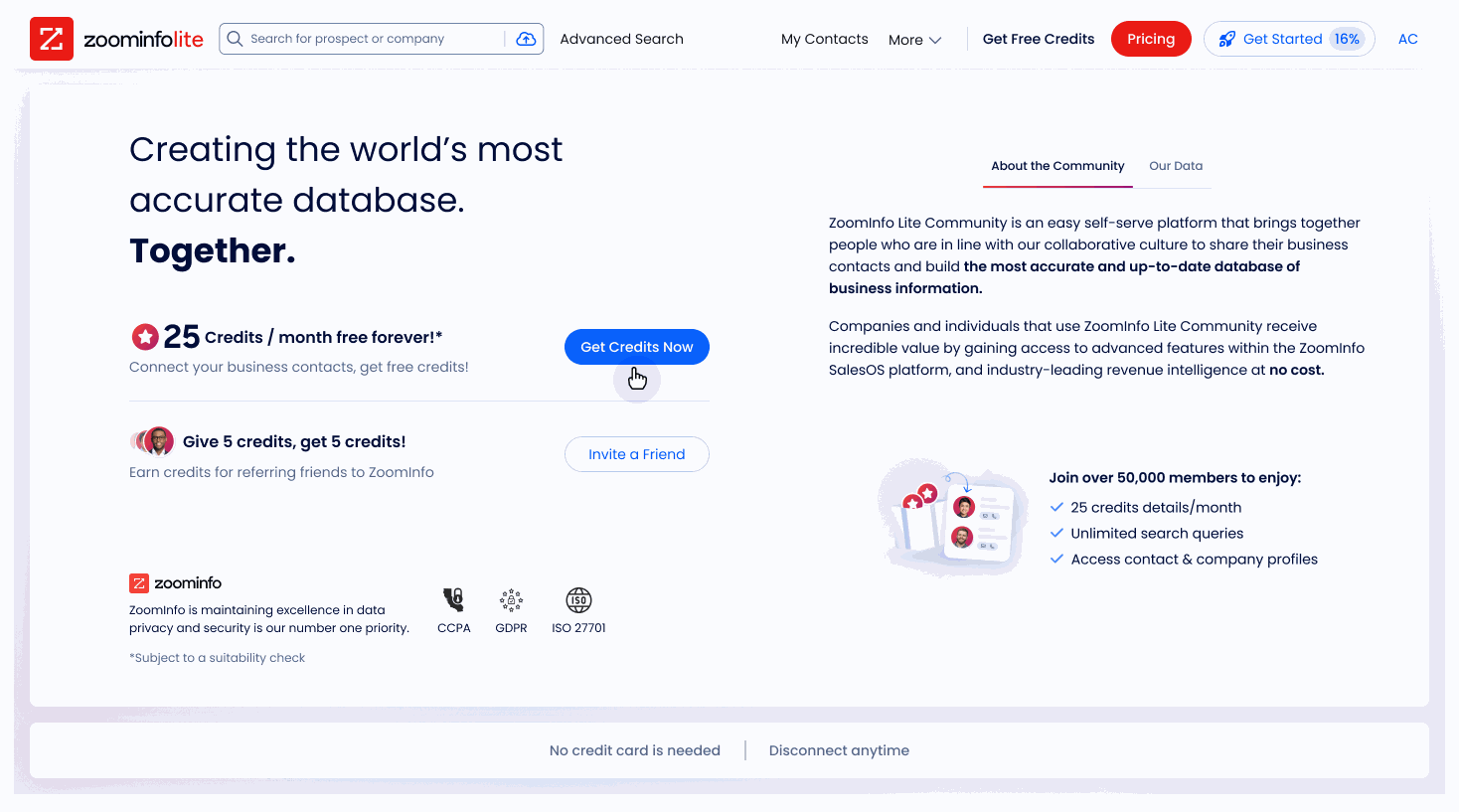
Before · the community page: contribute via connected contacts. HubSpot nowhere in sight.
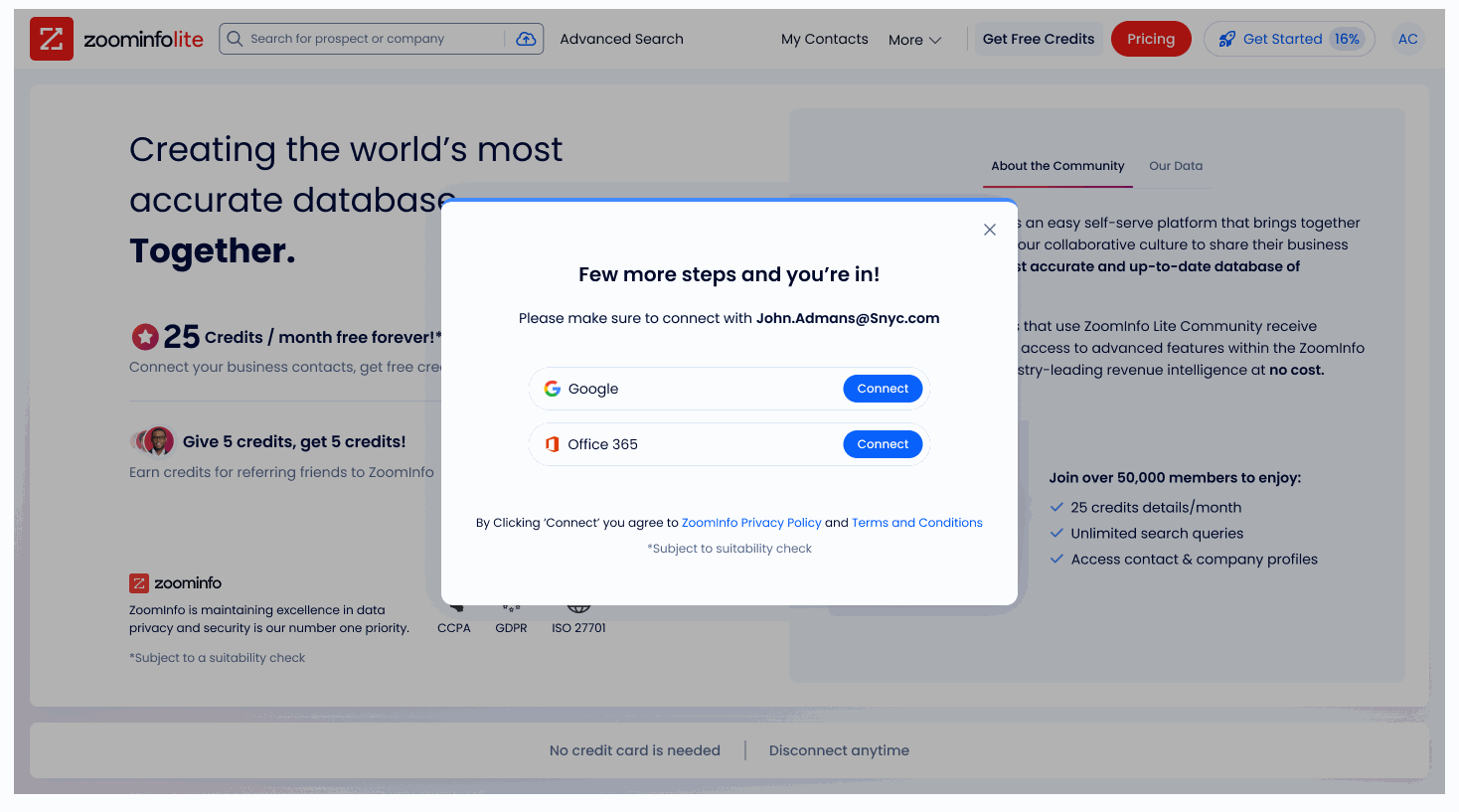
Before · the connect popup: Google and Office 365 only. HubSpot lived inside Export Contacts.
02My Role
Team lead. Owned the call to re-frame HubSpot from "integration" to "community contribution method." Sounds like a label change. It wasn't.
03The Bet
This isn't a discoverability problem, it's a positioning problem. Move the category, three things unlock at once: visibility, motivation, product value.
04Decisions That Mattered
Re-categorized as community contribution.
Surfaced across every community join experience, not just one. Integration page label updated. The category change is what compounded.
Designed incentive parity.
Users sharing via HubSpot earned the same rewards as other contributors. Fair incentives → real motivation → real adoption.
Tied integration to a second job-to-be-done.
Made HubSpot equally a tool for exporting contacts. Single feature, two jobs, both earning their keep.
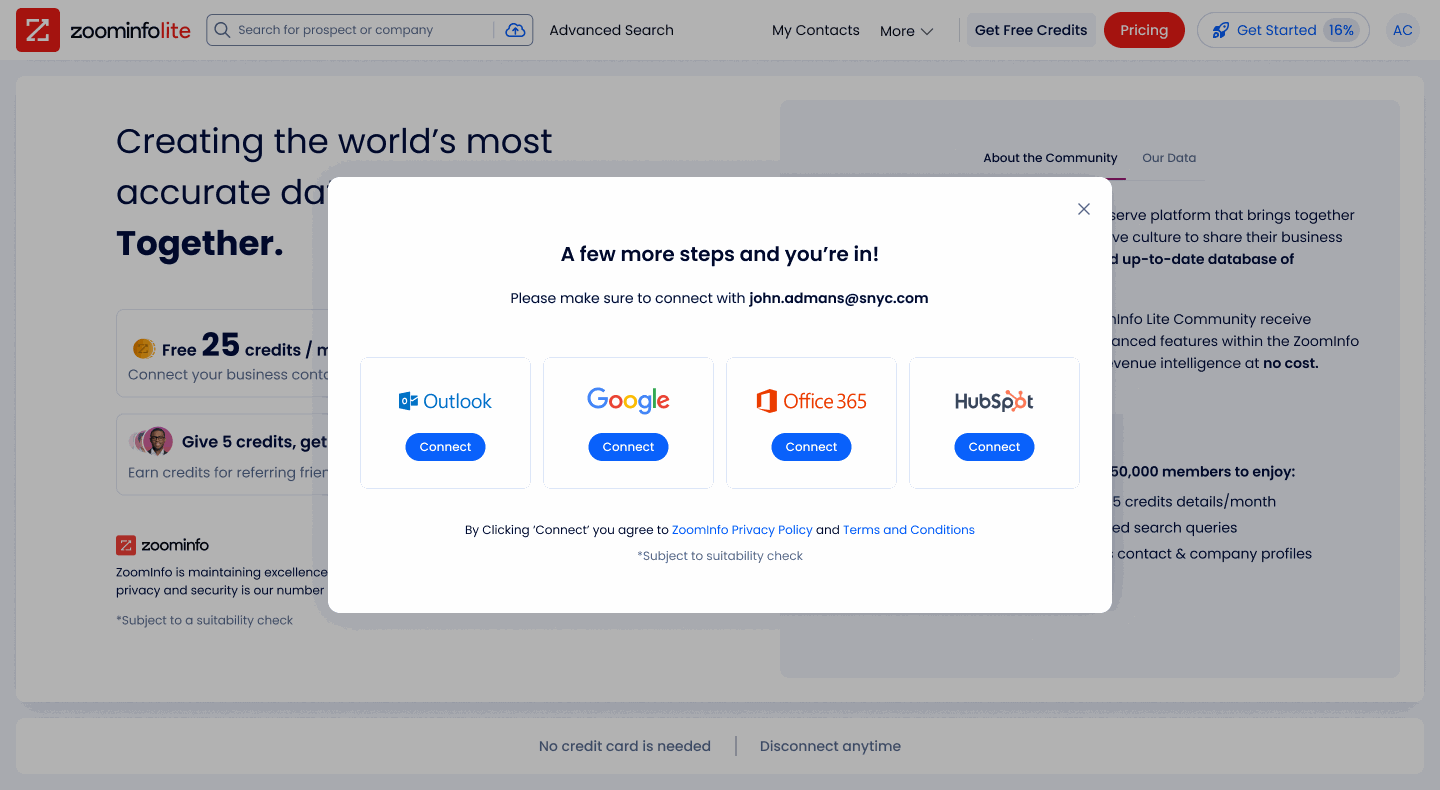
After · the same popup, re-categorized: HubSpot beside Outlook, Google and Office 365 as an equal contribution method.
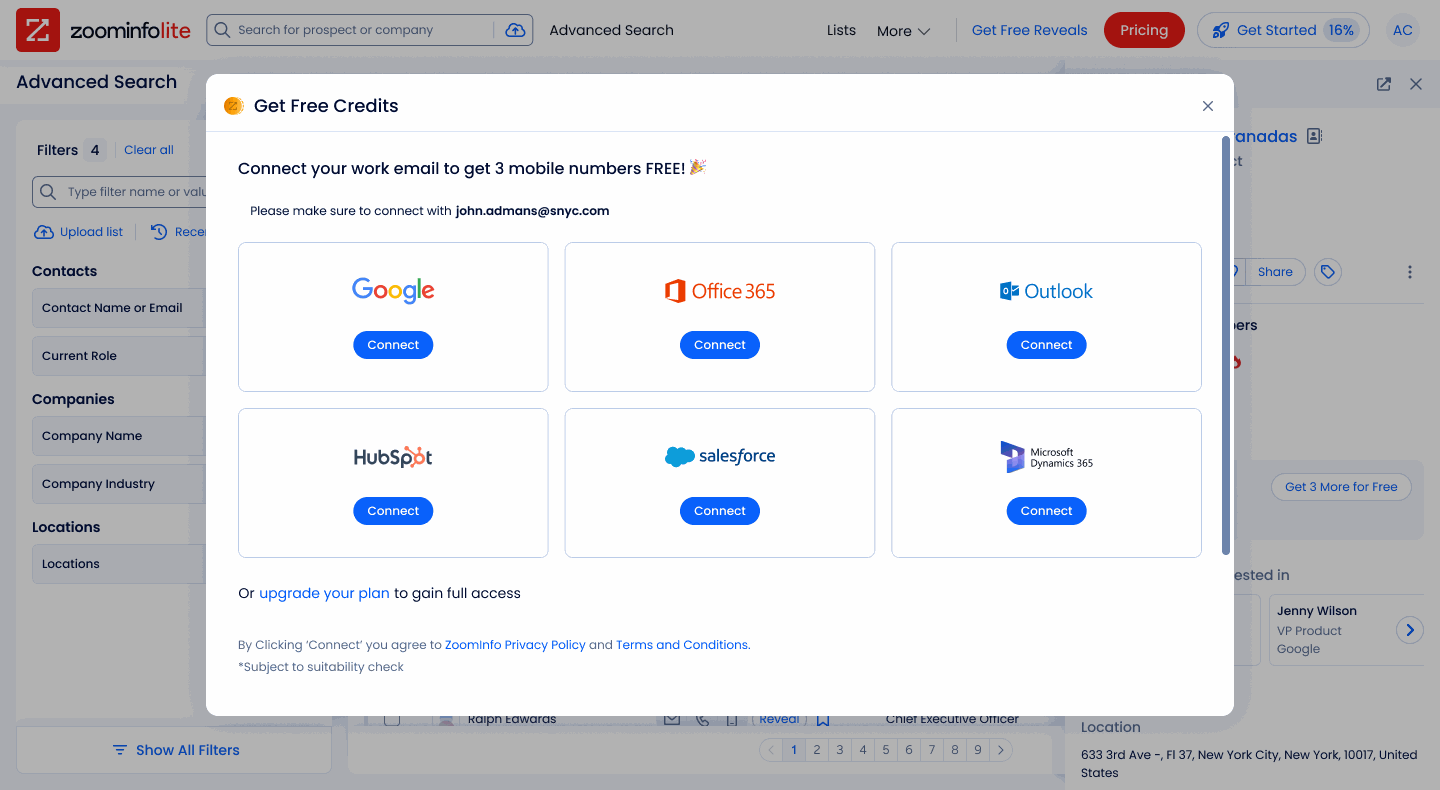
Everywhere · the mobile-number limit moment: six ways to contribute, HubSpot among them.
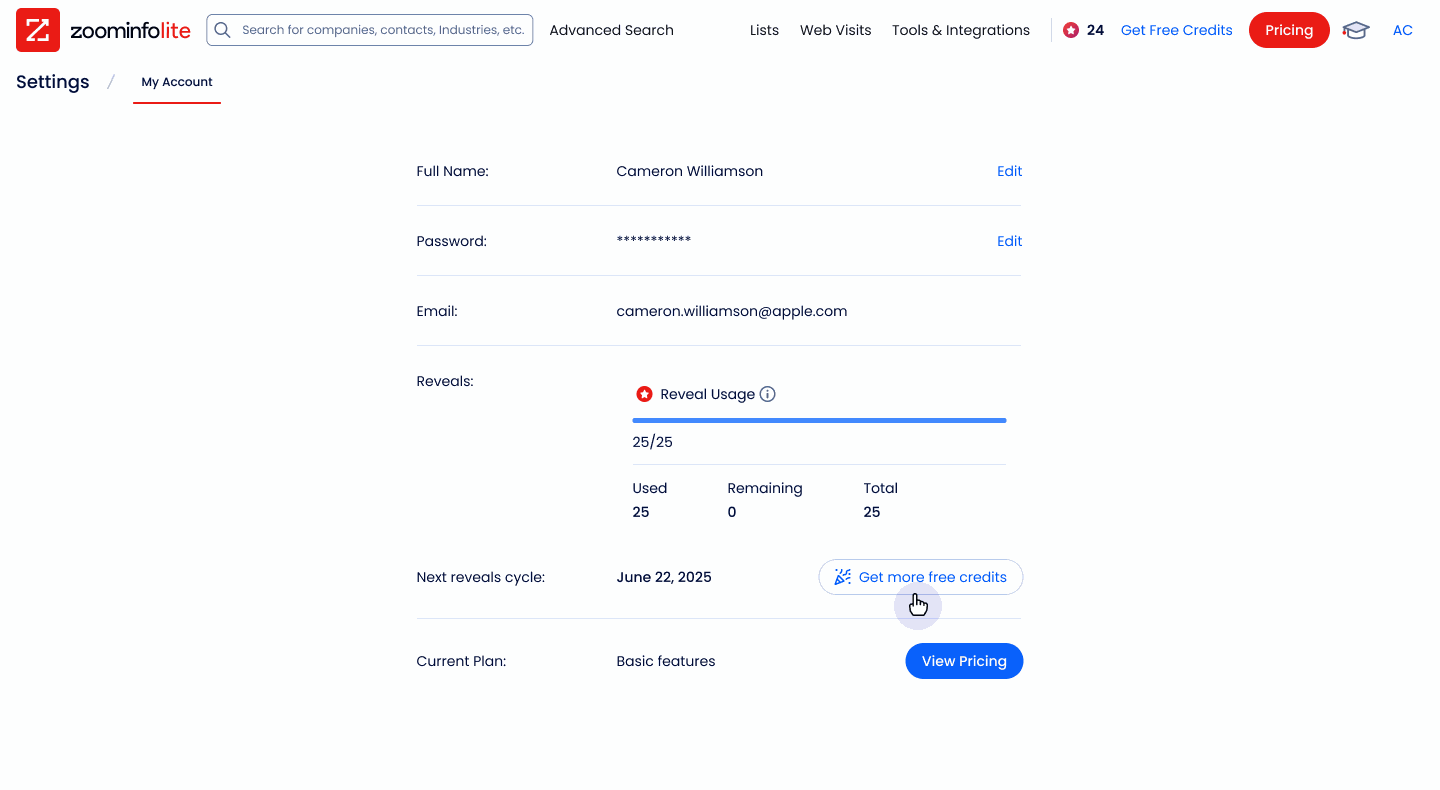
Everywhere · out of reveals in Settings: "Get more free credits" routes straight to contribution.
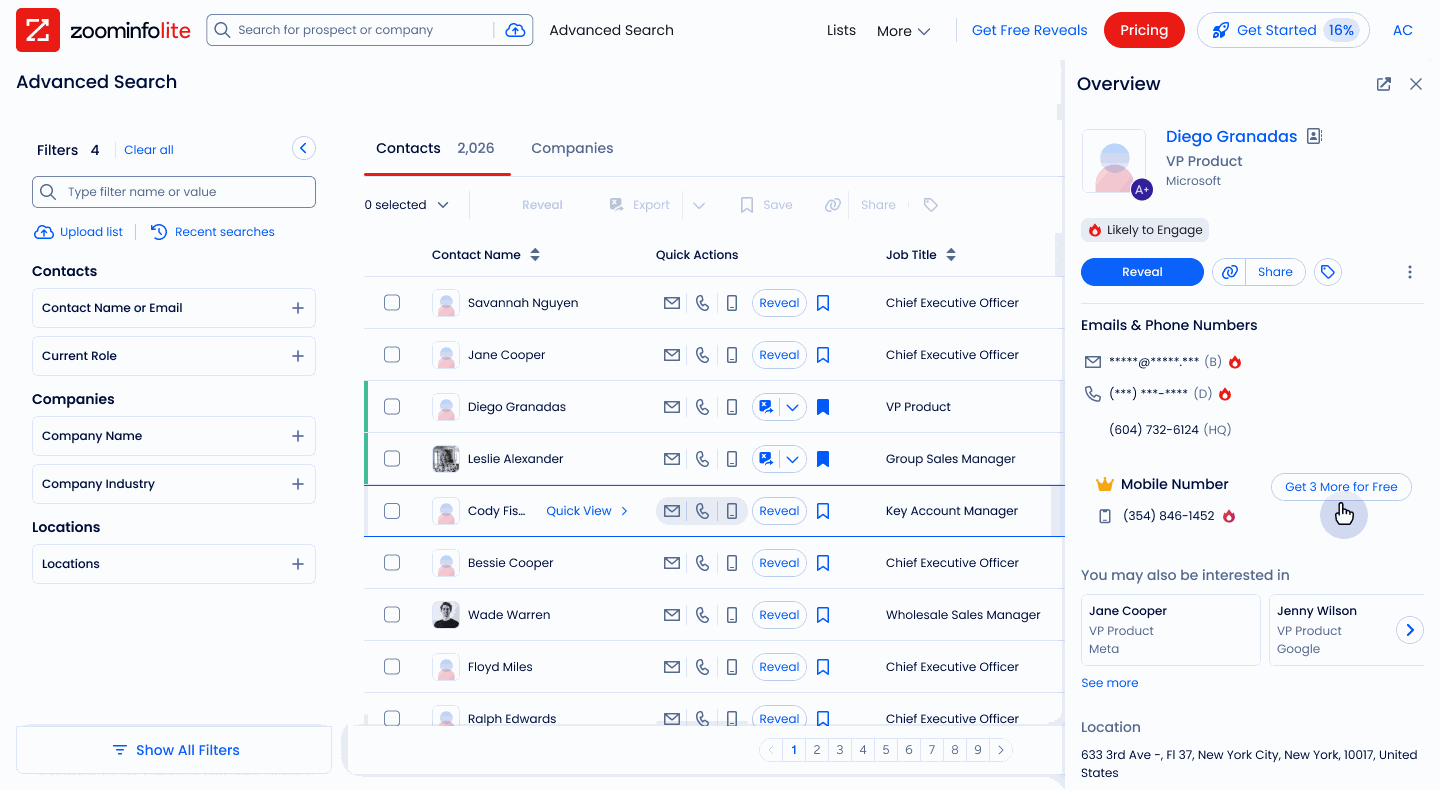
Everywhere · the same join moments inside Advanced Search.
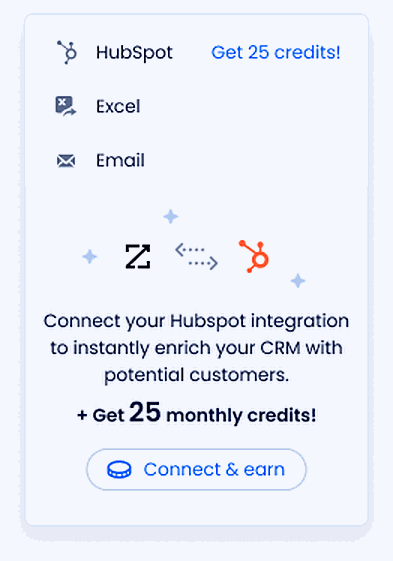
The second job · HubSpot leads the Export menu: connect, enrich your CRM, earn 25 monthly credits.
05Outcome
+722% users connected, +810% login → connect CR. Downstream: 105,920 records processed, 1,474 publishable contacts, 3,934 emails, 2,118 direct phones, 1,669 mobile phones.
Connection → contributor data pipeline (September)
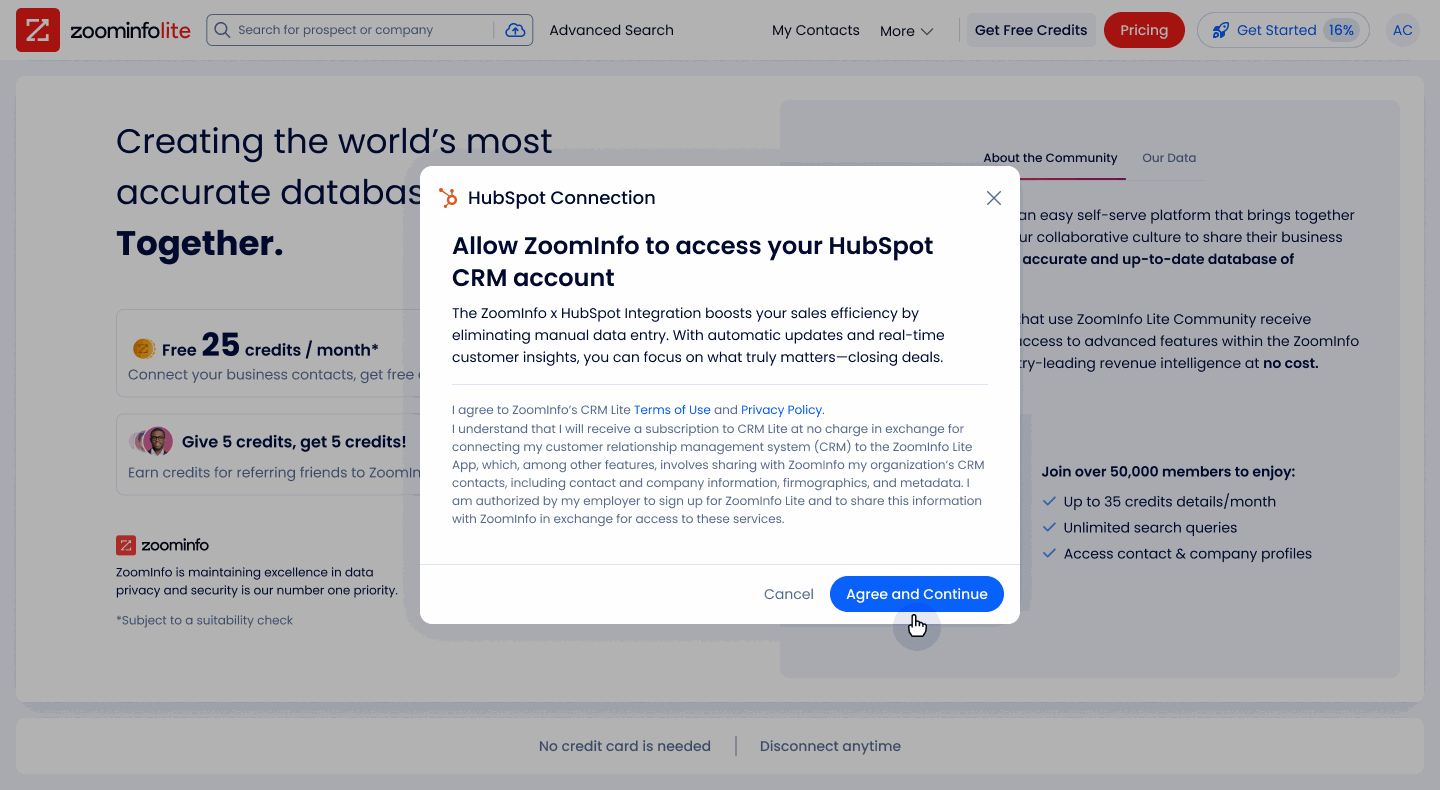
The permission step · "Allow ZoomInfo to access your HubSpot CRM account," where contribution actually begins.
06What I'd Do Differently
We sat on the diagnosis for two months before acting. Data was clear by month one. When the diagnosis is clear, every week of delay loses contributor data we'll never get back.